Expecting a new Honda Odyssey or Accord? Well…you’re in for a wait, it seems.
While the current-generation Honda Accord is still a strong seller and the Passport went gangbusters, it’s not all roses and sunshine over at Honda. The Japanese automaker recently decided to scrap its long-hyped plans for three brand-new electric vehicles, canceling the 0 Series and Acura RSX. That move, according to the company’s own figures, cost it at least $15.8 billion — a hefty sum even for a major manufacturer — and that’s before you factor in other complications like tariffs and general purpose competition. Now, it’s looking for a way to save money and buy some time until it commits to another new slate of vehicles, according to a supplier memo obtained by Automotive News.
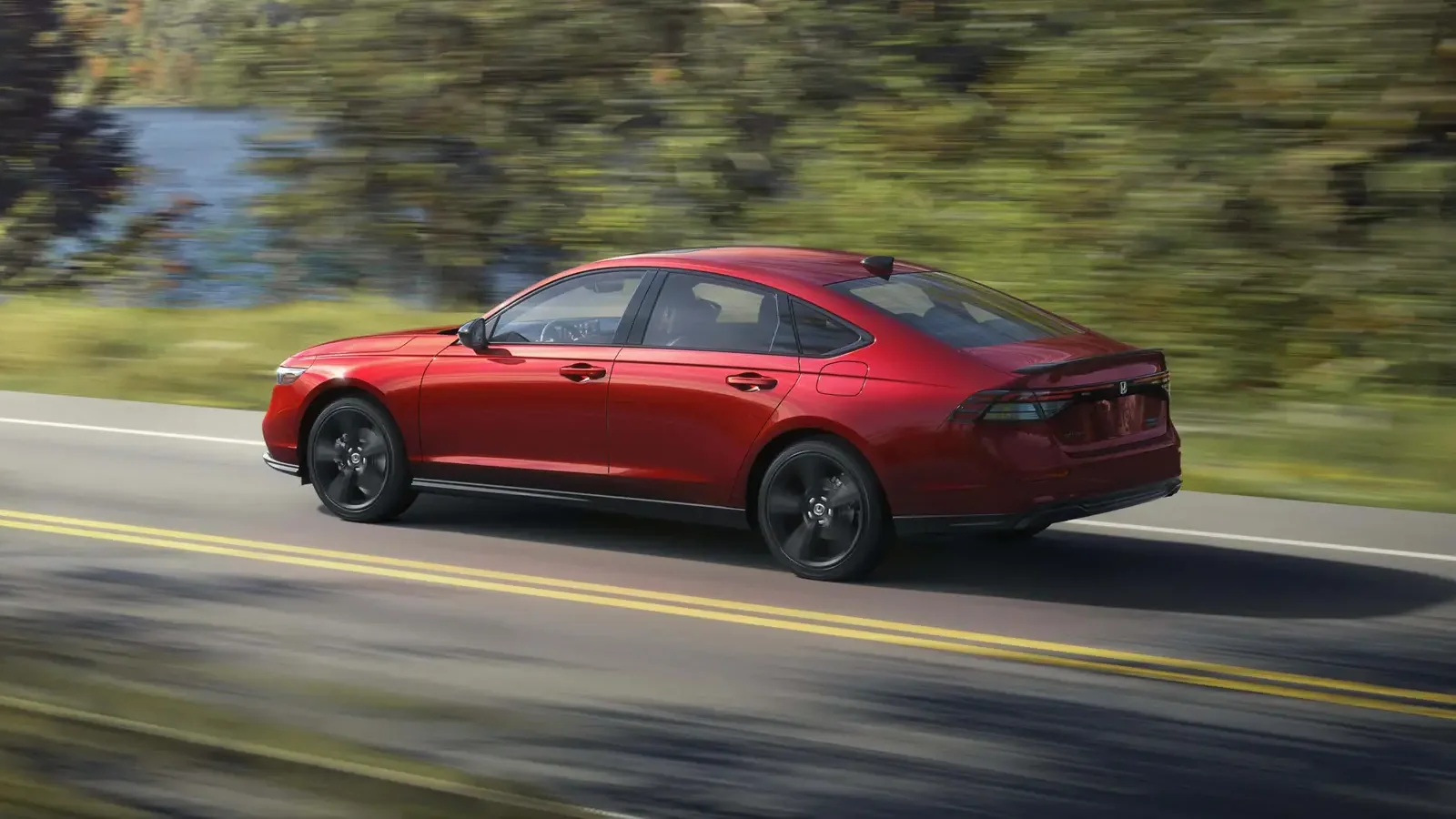
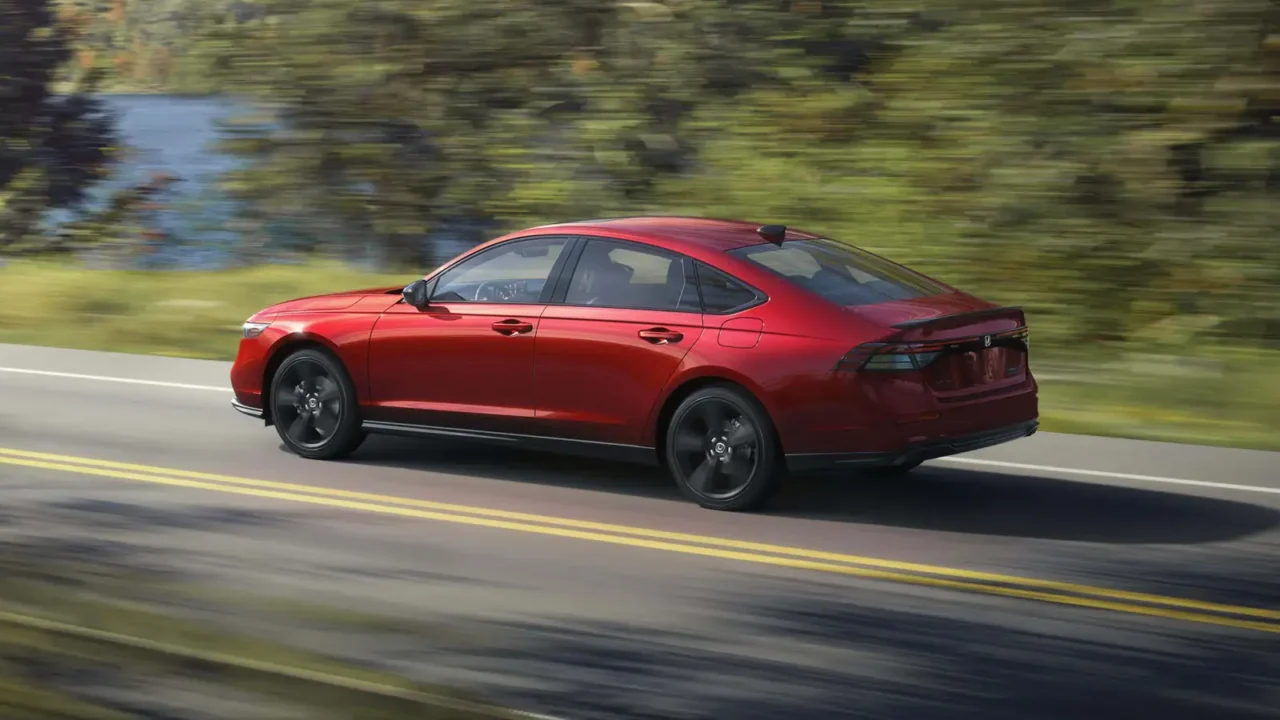
The upshot: Models like the Honda Accord, HR-V and Odyssey, as well as the Acura MDX and Integra, are going to carry on in their current generations for several more years. According to that AN report, Honda plans to stretch out the current cycle until around 2030.
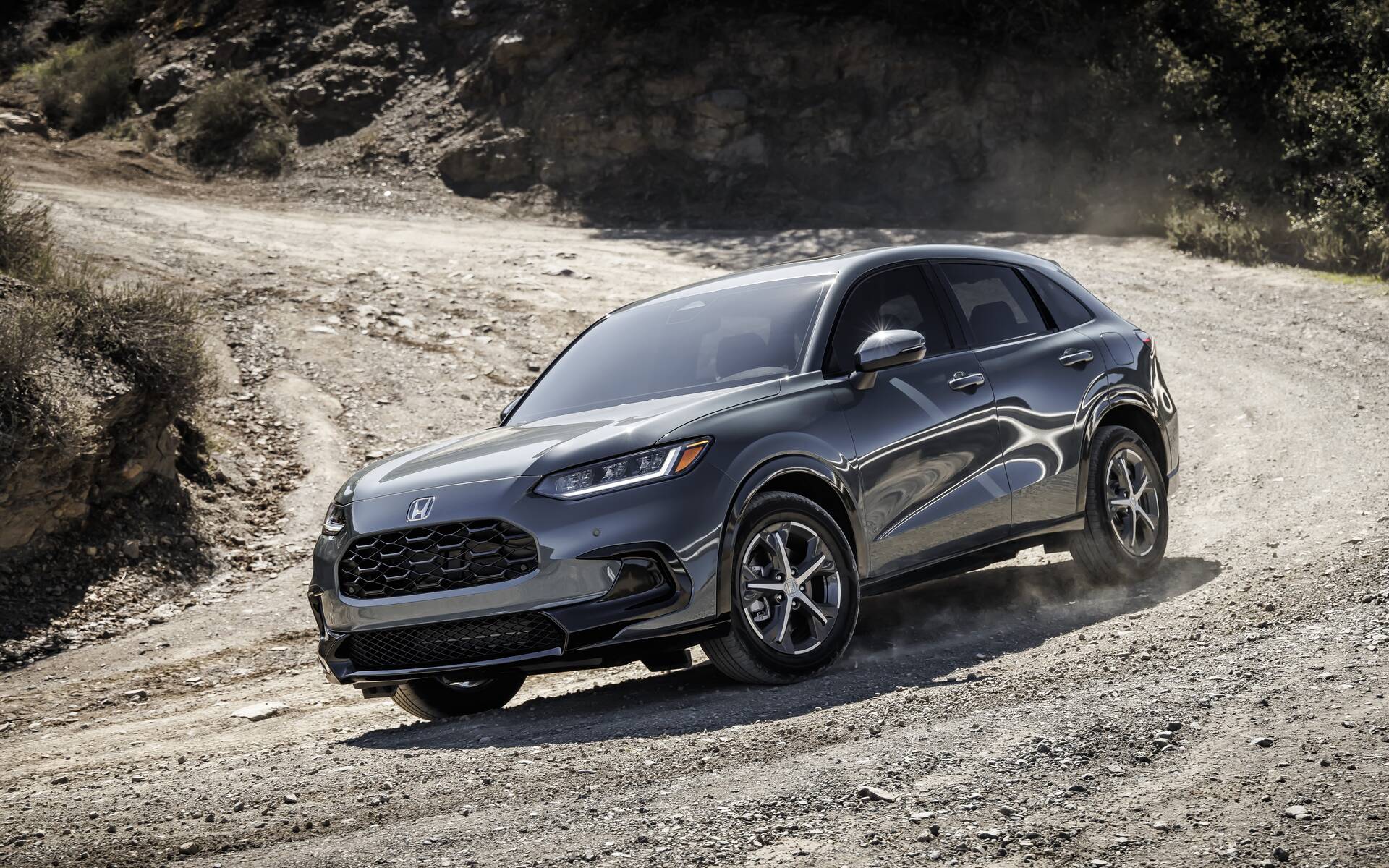
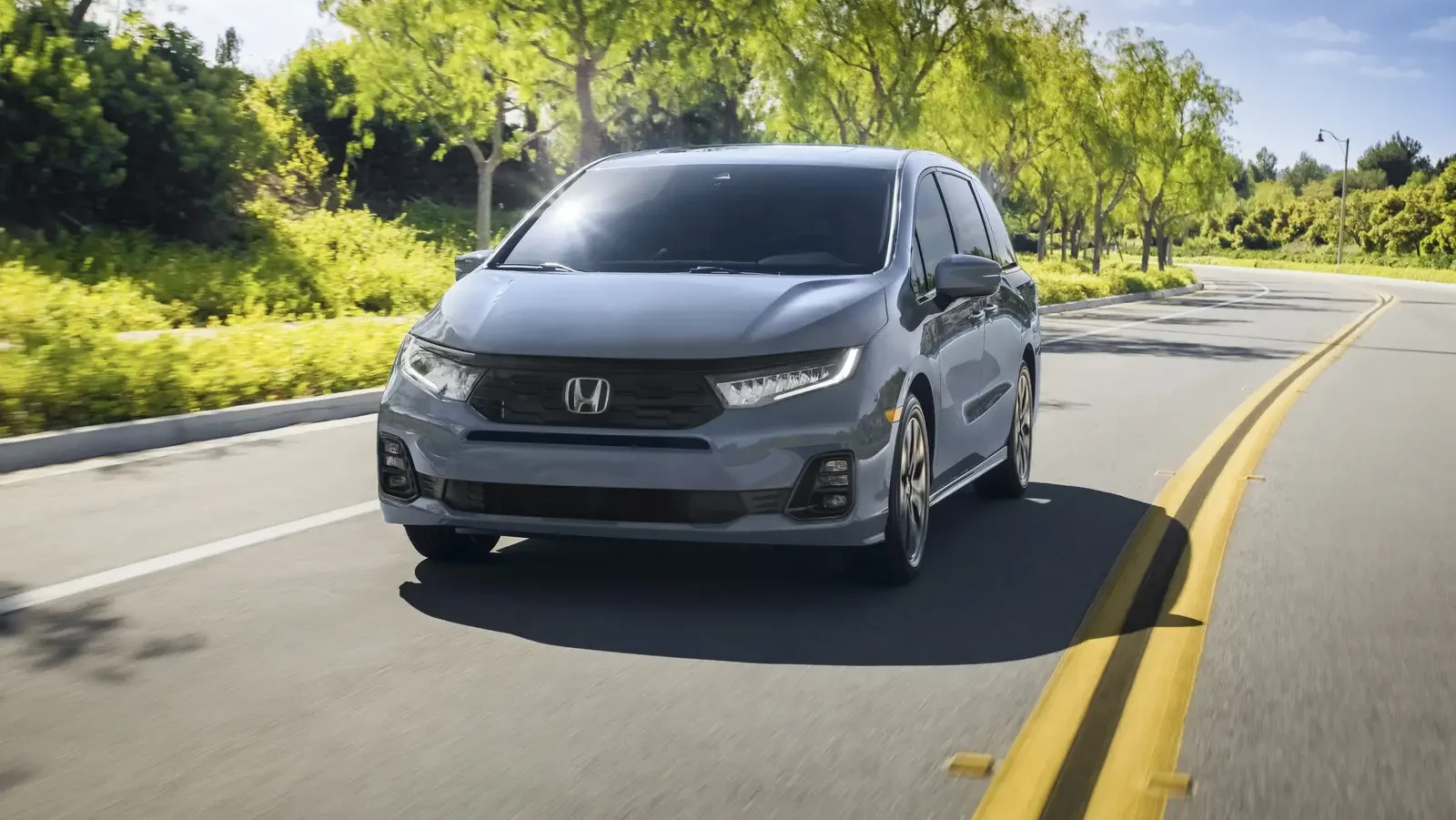
Now, that’s not a huge issue for the Honda Accord or HR-V, for instance. Both of those cars are still relatively fresh, while the Accord boasts an available hybrid model that is picking up sales momentum (and may continue to do so as long as gas prices continue to rise). It is a potential problem for models like the Odyssey, though, which hasn’t seen a major redesign since the 2018 model year. Unlike the Accord, it’s also carried on with a 3.5-liter V6 engine, while rivals like the Toyota Sienna and Kia Carnival offer more efficient hybrids, and are generally just have more modern designs, to boot.
Other models like the Acura Integra and MDX are somewhere between that rock and hard place, as it were. The Integra emerged for the 2023 model year, so it’s still fairly new right now. However, that won’t be the case before 2030, and the early hype for the model may not carry forward that many years. It is doing well right now, but short of offering a hybrid model (like the Honda Civic on which the Integra’s based), we may see sales slide unless Acura gets creative with its pricing strategy.
The MDX, for its part, saw some minor updates for the 2025 model year. It’s been a steady seller for the brand, though again it remains to be seen how long Acura dealers can maintain that momentum for a car that went into production in 2021, in its current generation. The MDX will become a more critical player for the brand, as Acura phased out the current compact RDX until a next-generation hybrid comes along. As far as we’re aware, Honda’s plan to elongate some models doesn’t impact the next-gen RDX, which is due out around model year 2028.
Honda did already announce a next-generation hybrid system, which it plans to incorporate into several of its models over the coming years. So, that could bring in some fresh options for its larger vehicles like the Pilot, Passport, Ridgeline and Odyssey, even if the minivan doesn’t see a full redesign before the end of the decade.
For the moment, Honda did not officially confirm AN‘s report, though it’s impossible to imagine its decision to pivot away from such ambitious EV plans would avoid a similar outcome, where it slows down new rollouts while it shores up its financial outlook throughout the next several quarters.
Honda will announce its complete financial results for the fiscal year (which ended on March 31) on May 14, 2026. At that point, we will likely see some more detail on the follow-up to canceling its earlier EV plans, including what it plans to do with future product.